

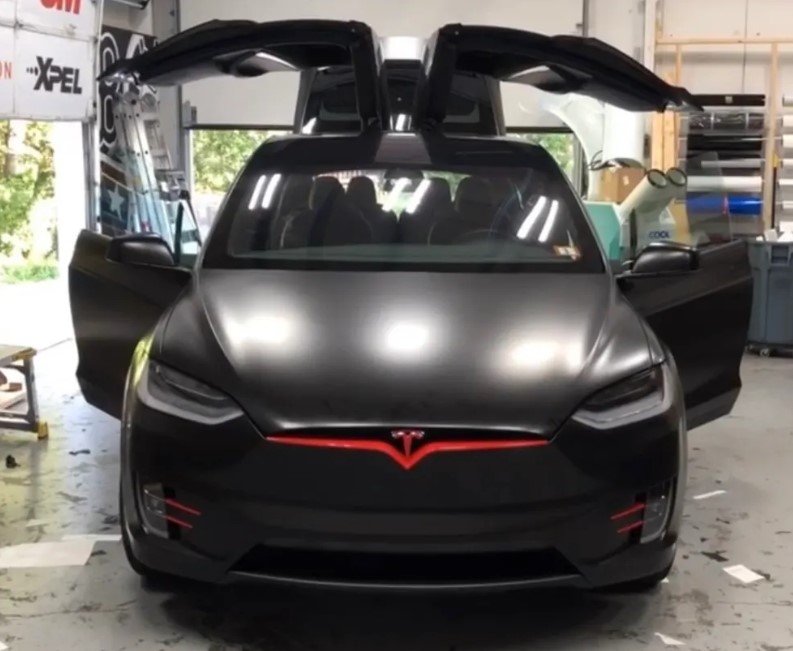
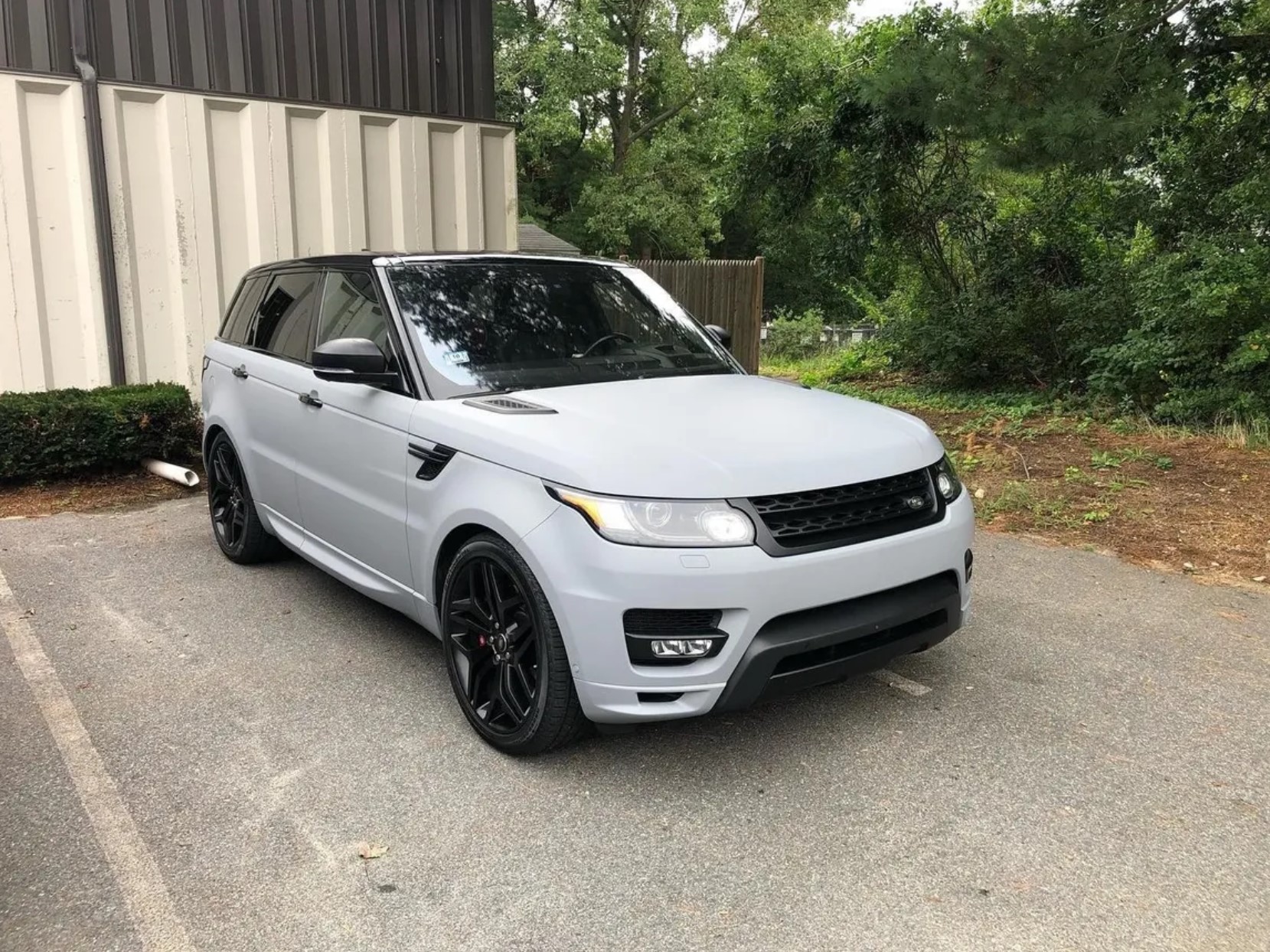


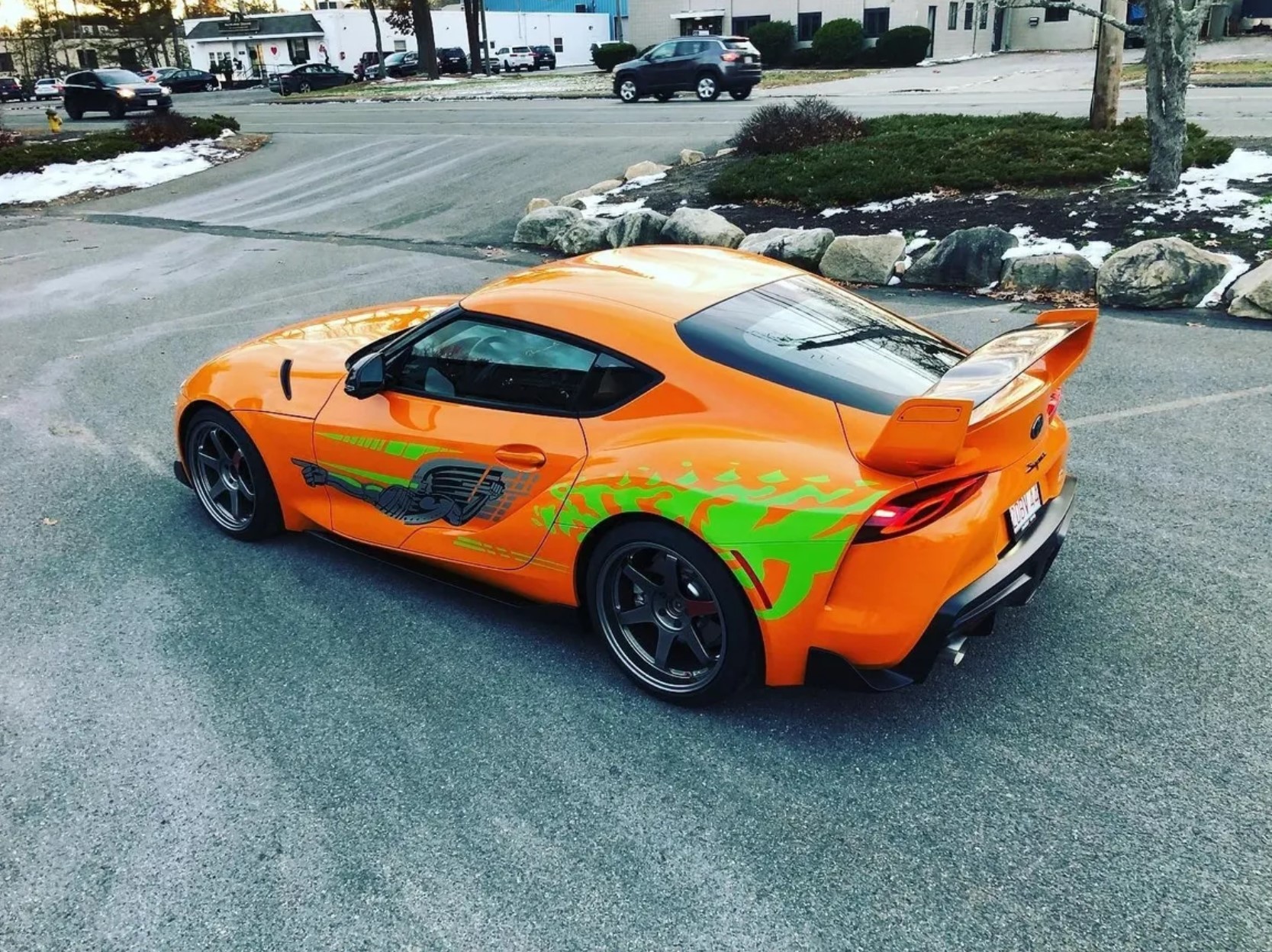
How to protect your wrap, keep it looking new, and keep your warranty valid
Thank you for choosing Galaxy Design. Your vehicle was wrapped with premium cast films from the industry’s leading manufacturers, including 3M, Avery Dennison, and ORAFOL (Oracal), and installed by a 3M Preferred Graphics Installer and Avery Dennison Certified Wrap Installer.
A professionally installed wrap can last for years, but how long it lasts depends heavily on how it is cared for. Vinyl is durable, but it is not paint. Dirt, UV exposure, heat, and harsh chemicals affect it differently, and neglect is the most common cause of premature fading, staining, and edge failure. This guide explains what to do and what to avoid so your wrap stays in top condition.
Why Aftercare Matters
Every wrap film has a surface layer that protects the color and finish underneath. When contaminants like road grime, bird droppings, bug residue, tree sap, or fuel sit on the surface, especially in direct sun, they can bake into the film. This causes permanent staining, etching, and discoloration that washing cannot remove.
Both film manufacturer warranties and our installation warranty assume the wrap has been maintained according to proper care guidelines. Damage caused by improper washing, harsh chemicals, neglect, or contaminants left on the surface is not covered under warranty. Following this guide protects both your investment and your coverage.
The First Week After Installation
The adhesive on your wrap continues to bond with the vehicle’s surface for several days after installation. During this curing period:
- Do not wash the vehicle for at least 7 days. This gives the adhesive time to fully set, especially around edges, seams, and recessed areas.
- Avoid extreme heat and cold when possible. Park in a garage or shaded area if you can.
- Do not pick at or press on edges. If you notice any lifting, bubbling, or edge issues, contact us rather than trying to fix it yourself. Small bubbles can naturally work themselves out within the first few weeks. If they don’t, we’ll take care of it.
Washing Your Wrap
Regular washing is the single most important thing you can do for your wrap.
How often: Wash your vehicle at least once a week. Work vehicles, fleet vehicles, and cars driven in heavy traffic, near construction, or during winter road-salt season may need washing more often. If you can see dirt building up, it’s time to wash.
Hand washing is best. Use this method:
- Rinse the vehicle thoroughly with clean water to loosen dirt and grit.
- Wash with a pH-neutral, wax-free car wash soap and a clean, soft microfiber wash mitt or sponge.
- Wash from the top down, working in sections, using light pressure.
- Rinse thoroughly so no soap residue is left behind.
- Dry with a clean microfiber towel or a blower to prevent water spots.
Automatic car washes: Avoid brush and cloth-style car washes completely. The brushes can scratch the film, dull the finish, and catch and lift edges. Touchless car washes are acceptable occasionally, but hand washing is always preferred.
Pressure washing: If you use a pressure washer, follow these rules:
- Keep pressure under 2,000 PSI and water temperature below 180°F (82°C).
- Use a 40-degree wide-angle nozzle. Never use a zero-degree or turbo nozzle.
- Hold the nozzle at least 12 inches (30 cm) away from the surface.
- Spray at a 90-degree angle to the surface. Never aim directly at edges, seams, or corners, since high-pressure water can lift the film.
Remove Contaminants Immediately
Some contaminants damage vinyl quickly, especially in warm weather. Remove the following as soon as you notice them, without waiting for your next wash:
- Bird droppings: Highly acidic and one of the most common causes of permanent staining.
- Bug splatter: Proteins in bug residue can etch the surface when baked in the sun.
- Tree sap: Sticky and difficult to remove once hardened.
- Fuel spills: Gasoline and diesel can soften and stain the film. Wipe spills off immediately after fueling.
- Road tar and heavy grime.
Soak the area with warm, soapy water for a few minutes to soften it, then gently lift it away with a soft microfiber cloth. For stubborn spots, use a cleaner specifically labeled as safe for vinyl wraps, and test it in a small, hidden area first. Never scrub hard or scrape.
Protecting Your Wrap from UV and the Elements
Sunlight is the main cause of long-term fading and film breakdown. Horizontal surfaces such as the hood, roof, and trunk take the most exposure and usually wear first.
- Park in a garage, carport, or shaded area whenever possible.
- Use a wrap-safe protective product regularly. Applying a spray sealant or detailer made specifically for vinyl wraps every few weeks adds a layer of UV protection, makes washing easier, and helps repel dirt and water.
- Consider a ceramic coating designed for vinyl wraps. This is one of the best long-term protection options. Ask us for a recommendation.
- Use a breathable car cover if the vehicle is stored outdoors for long periods. Only cover the vehicle when it is clean and dry, since a cover over a dirty car can scratch the surface.
Special Care for Matte and Satin Finishes
Matte and satin wraps need extra attention because their textured surface can be permanently altered by the wrong products.
- Never use traditional wax, polish, or any product containing carnauba or abrasives. These fill the texture and leave shiny, blotchy patches that cannot be reversed.
- Use only cleaners and sealants specifically labeled for matte or satin finishes.
- Do not buff or rub aggressively. Blot and wipe gently.
Products and Practices to Avoid
To protect your wrap and keep your warranty valid, never use:
- Traditional paste waxes, polishing compounds, or cutting compounds
- Abrasive cleaners, scrub pads, or stiff brushes
- Solvents such as acetone, lacquer thinner, or harsh degreasers
- Petroleum-based products or household cleaners like dish soap in high concentration
- Ice scrapers on wrapped surfaces (including wrapped windows or panels)
- Razor blades or any sharp tools near the film
Also avoid:
- Washing the vehicle in direct, hot sunlight, which can cause spotting and residue
- Letting water or soap dry on the surface
- Applying stickers, magnets, or tape on top of the wrap, which can leave residue or pull the film when removed
Winter Care
Road salt, sand, and de-icing chemicals are especially hard on vinyl. During winter months:
- Wash more frequently to remove salt buildup, paying attention to lower panels and rocker areas.
- Brush snow off gently with a soft snow brush. Never use a scraper on the wrap.
- Let frost or ice melt naturally or with the vehicle’s defroster rather than chipping at it.
Your Warranty
Your wrap is covered by the film manufacturer’s warranty for the specific material used, along with Galaxy Design’s 1-year installation warranty covering workmanship issues such as lifting, peeling, or bubbling caused by the installation.
Warranty coverage does not include damage caused by:
- Improper washing methods, including brush car washes and incorrect pressure washing
- Use of harsh chemicals, solvents, waxes, or abrasive products
- Contaminants (bird droppings, sap, fuel, bugs, etc.) left on the surface
- Physical damage such as scratches, impacts, accidents, or vandalism
- Neglect or lack of regular cleaning
If you notice any issue with your wrap, contact us right away. Most installation-related concerns show up early and are easy to address when caught quickly.
Quick Reference Checklist
- ✅ Wait 7 days before the first wash
- ✅ Hand wash at least once a week with pH-neutral soap
- ✅ Dry with microfiber towels
- ✅ Remove bird droppings, bugs, sap, and fuel immediately
- ✅ Apply a wrap-safe sealant or detailer regularly for UV protection
- ✅ Park in the shade or a garage when possible
- ❌ No brush car washes
- ❌ No pressure washing at edges or seams
- ❌ No traditional wax on matte or satin finishes
- ❌ No solvents, abrasives, or ice scrapers
Questions?
If you have any questions about caring for your wrap, or you’d like product recommendations for sealants and coatings, reach out to us at (857) 246-4582 or ali@glxydsgn.com. You can also find more answers on our FAQ page. We’re happy to help keep your vehicle looking its best.